
Lemons
Lemons, the well-known sour citrus fruit, are great for making lemonade and are perfect compliments to various types of foods. The scientific name for this fruit is Citrus Limon. The seeds in the angiosperm lemon tree are surrounded by a reproductive tissue. Globally, lemons are used in different recipes for foods and drinks. The juice is mainly used in drinks and as a season for some foods; the pulp is mostly used in cooking. Five percent of the juice in the lemon is made of citrus acid, giving it a pH level between 2 and 3.
The price for lemons is pretty cheap because of its tart flavor and low pH level. It is used in many scientific experiments and in different drinks and candies that you find on the market today. It is believed that the first lemons were developed in India, China and northern Burma but the actual origin is still a mystery. The lemon is used in different antidotes for poisons throughout Asia. After being found in China and India, lemons were then introduced to other countries like Egypt, Iraq and Persia in 700 AD. In the tenth century, the first written documentations of lemons were made in an Arabic treatise about farming.
They were first used as ornamental plants in the early Islamic gardens. Then the lemons were widely sold in the Arab world and throughout the Mediterranean region between 1000 and 1150 AD. The lemon wasn’t brought into Europe until later in the first century AD – near south Italy. Lemons weren’t cultivated as much in this region. The first one to be planted was in Genoa, Europe during the 15th century. Then it was cultivated in the Americas during the pilgrimage in 1493; Columbus brought lemon seeds to Hispaniola.
Lemon trees can reach heights between 10 and 20 feet and usually have sharp thorns on its branches. When the plant begins to blossom, reddish leaves begin to sprout; they then become a combo of dark and light green. The flower of the lemon tree has four to five pedals and has a white surface and is purple underneath. Lemons have an oval shape and bright yellow skin. The flesh of the lemon is also yellow. The size ranges between 2 3/4 and 4 3/4 inches. There are a few seeds in the lemon; some even come seedless. In 2004, over $2 million worth of lemons were exported.
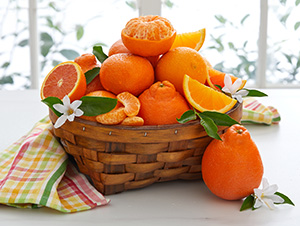
Taste the Sunshine with Hale Groves
At Hale Groves, we believe the best gifts come from the land, not a factory. For generations, our fruit has been grown slowly under the Florida sun, picked at its peak, and delivered fresh to your door. From sweet Navel Oranges to rare Honeybells, every gift shares the simple joy of real flavor—perfect for holidays, milestones, or everyday moments worth celebrating.
Shop Now