
Clementines- The History, Plant and Production
The mandarin orange family, or Citrus reticulata, is a class of citrus fruit known for its thin and easily peeled exterior. Tangerines are actually a part of this group although the name is interchangeable with the name mandarin orange. The tangerine is generally a red-orange skinned variety of the mandarin orange. The clementine, a ‘Class II’ tangerine, has become the most popular because not only is this fruit easy to peel, it is also known as the seedless tangerine.
Clementine trees can grow to as talk as 25 feet tall with age with a full round tree foliage and thin twigs that are usually thorny. The leaves are have rounded-teeth and slightly pointed while the flowers are white and either grows alone or in small clusters. The fruit then grows and when fully mature, the oblate shaped clementine will tote either a bright orange or slightly red-orange peel. The interior will be of seven to fourteen juicy orange segments and in the rare case that the clementine has seeds; the seeds are small and pointed at one end.
The mandarin orange family is indigenous to Asia, more specifically, south eastern Asia. At one time the fruit were abundantly grown in Philippines, Japan, China, India and the East Indies but as production increased after the arrival of the clementine in the United States of America (United States Department of Agriculture introduced it to Florida in 1909), production has leveled in some countries and dropped in others. Since, seasonal clementine production in the United States has vastly increased. Another advantage that the mandarin orange family holds to the regular sweet orange is its ability to tolerate and endure cold weather and can withstand drought.
Although production of other mandarin oranges in the United States exists, the demand for this holiday favorite continues to expand the market for clementines. The good and bad thing about the clementine is that it is just that, a seasonal fruit. The holding life of a clementine is not very good, but that said, the clementines that are produced and then sold between the months of November and March are of great quality, robust flavor and perfectly to season. If you purchase the fruit, it is recommended to not hold the fruit for more than two weeks as the fruit will decay within four weeks at a moderate room temperature. Therefore, use it in salads, desserts or as an afternoon snack while you can and quickly!
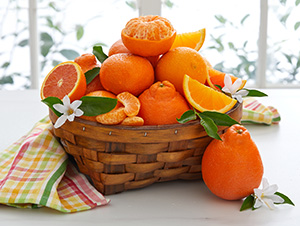
Taste the Sunshine with Hale Groves
At Hale Groves, we believe the best gifts come from the land, not a factory. For generations, our fruit has been grown slowly under the Florida sun, picked at its peak, and delivered fresh to your door. From sweet Navel Oranges to rare Honeybells, every gift shares the simple joy of real flavor—perfect for holidays, milestones, or everyday moments worth celebrating.
Shop Now