
Fun Facts About Florida Citrus
Famous for its theme parks, beaches and golf courses, Florida is also the center of the citrus world. First in grapefruit production, second in OJ exports, and third in global citrus shipments, the Sunshine State is responsible for around 70 percent of the U.S. citrus supply. What makes Florida citrus so special? Here are a few things you might not know about your favorite fruits.
Bigger and Juicer
The sandy soil and subtropical climates of Florida combine to produce fruit that is bigger and heavier than citrus that is grown in other states. On average, Florida citrus is around 25 percent heavier than fresh fruit that is cultivated elsewhere. What does this mean? Heavier fruit means more juice, which is one reason why more than 90 percent of all Florida oranges are sent to processing plants for juicing.
Fruit Juices
Americans get most of their fruit in juice form, and Florida is primarily responsible for that fact. Shortly after the first citrus processing plant in America was built there in 1915, Florida growers started shipping incredible amounts of premium citrus to the plants and then across the nation to consumers. Fruit juices soon became some of the most popular beverages in the country.
Specialty Fruits
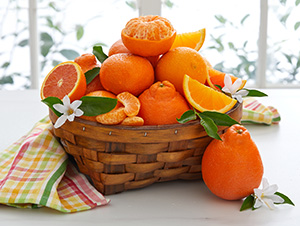
Although the overwhelming majority of Florida citrus is sold as juice, the state still produces dozens of citrus varieties that are sold fresh. Because of their rarity, these fruits are often called specialty fruits. Whether sold locally or to buyers on the internet, these varieties generally fetch higher prices because of their scarcity and appeal as superior fresh fruit. Popular specialty fruit varieties include Temple oranges, tangerines, and tangelos.
Lighter Colors
Contrary to popular belief, citrus fruits with dark-colored rinds or peels do not have richer, more flavorful flesh. In fact, the opposite is often true, especially when it comes to Florida citrus. Because nighttime temperatures are generally quite warm, many of the best-tasting citrus varieties from the Sunshine State have light-colored peels.
A Healthy Snack
As you probably know, citrus fruits are packed with vitamins and minerals like calcium, vitamin C, potassium, thiamin, niacin, and magnesium. But did you also know that all fresh citrus is fat and cholesterol free and is naturally low in calories and high in dietary fiber? It is important to note, however, that many of these healthy compounds are lost during the juicing process–which is why it is always healthier to eat citrus than it is to drink it!
Juice vs. Fresh Fruit
The average serving of Florida citrus has only around 70 calories. By comparison, it’s juice generally has around twice as many calories and may contain added sugar. There is also no dietary fiber in fruit juices, while there are around 3 gram of fiber in each serving of Florida citrus.
Taste the Sunshine with Hale Groves
At Hale Groves, we believe the best gifts come from the land, not a factory. For generations, our fruit has been grown slowly under the Florida sun, picked at its peak, and delivered fresh to your door. From sweet Navel Oranges to rare Honeybells, every gift shares the simple joy of real flavor—perfect for holidays, milestones, or everyday moments worth celebrating.
Shop Now