
Citrus Facts
Did you know …
Florida oranges are 25% heavier than oranges from other areas. Heat and
humidity are ideal conditions for growing citrus. That’s part of why Florida is
known for producing the sweetest, juiciest (and heaviest) citrus available. There’s an area in central Florida known as “the Ridge” which has an abundance of nutrient rich soil wheremuch of the citrus industry is located. But the most famous area, where Hale Groves is located, is known as the Indian River region where the soil is uniquely suited for growing citrus; the Gulfstream breezes insure that the temperature rarely gets cold enough to cause damage; and there’s just enough cold weather to bring out the sweetest flavor. Of course, the right amount of water and plenty of tender loving care all explain why our fruit is world-renowned as “the cream of the crop”.
There’s something in the air
? If you’ve ever been down to visit our area between mid-February and early April, you’ve probably wondered about the deliciously sweet fragrance that fills the air. It’s the scent of orange blossoms, and for us, it marks the start of spring. Our normally deep green citrus trees are budding with white flowers, which represent the start of a brand new crop. But of all of those budding flowers, only 1% will grow into fruit.
One of the questions many customers ask is “how long does it take for a newly planted tree to produce fruit?”
It normally takes three to five years for the trees to produce enough to pay for the cost of producing the fruit. Grapefruit starts paying for the costs sooner, because they are larger in size than oranges, and it takes a smaller number of fruit to fill a bushel basket. Even then the first few crops harvested may be of questionable quality, and this is watched closely.
Once a new tree becomes established and is properly cared for, it will normally produce good crops for 25 to 30 years.
As the trees grow they need to be hedged and topped every year. This allows the Florida sunshine to touch the fruit growing on the inside branches as well as outside.
A question that we’re often asked is: “How does a winter freeze affect Florida citrus?”
For most of you, below-freezing temperatures are as natural as winter itself, but Florida citrus growers start worrying when temperatures dip below 32 degrees. That’s when damage can occur to the citrus crop if the temperature remains that low for more than a few hours. Fortunately, when the temperature dips that low in our citrus-friendly region, it usually drops early in the morning then warms up after sunrise.
The Gulf stream breezes protect us from the worst of the cold, because citrus in our region grows near the Atlantic Ocean. Cold, but not freezing, weather is actually beneficial to citrus. Temperatures in the 40’s and 50’s slow down a tree’s metabolism, making the fruit even sweeter.
Vero Beach temperatures tend to be warmer than places in the center of the state such as Orlando, for example. Incidentally, during the long, hot Florida summers that same breeze keeps us cooler than most of our friends around the state. It’s another reason that Hale’s citruses are the best in the world.
This article provided by Hale Groves, providing fresh fruit baskets, gift baskets and Florida oranges and citrus, including delicious Florida fruit gifts, Honeybells, Ruby Red Grapefruit, Valencia Oranges, Tangerines and more! On the web
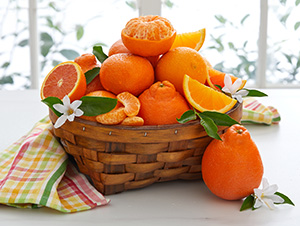
Taste the Sunshine with Hale Groves
At Hale Groves, we believe the best gifts come from the land, not a factory. For generations, our fruit has been grown slowly under the Florida sun, picked at its peak, and delivered fresh to your door. From sweet Navel Oranges to rare Honeybells, every gift shares the simple joy of real flavor—perfect for holidays, milestones, or everyday moments worth celebrating.
Shop Now